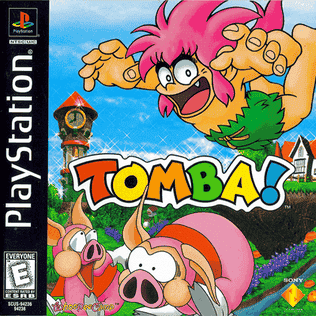
Tomba!
Tomba! is a wildly inventive platform-adventure from Tokuro Fujiwara, the creator of Mega Man. Play as a feral, pink-haired caveboy whose grandfather's golden bracelet has been stolen by the Seven Evil Pigs. Explore a vibrant, side-scrolling world where you leap onto enemies, bite them, and hurl them away. With 130 non-linear 'events' to discover, this cult classic rewards curiosity and creativity at every turn.
Game Controls
About This Retro Game
Released in 1997 by Whoopee Camp, Tomba! stands apart from other PlayStation platformers through its unique 'Event' system. Instead of following a rigid stage-by-stage structure, the game invites you to explore an interconnected island where interacting with characters and objects triggers quests, each rewarded with Adventure Points (AP). These points unlock new paths, chests, and abilities, creating a non-linear, Metroidvania-style progression that was years ahead of its time.
The core combat is simple yet satisfying: Tomba jumps onto an enemy's back, bites them, and throws them in a straight line, often into pits or other hazards. He also wields weapons like flails, boomerangs, and blackjack balls, and can use special pants to gain new abilities. The game features multiple planes of depth—Tomba can climb over walls to reach background areas—and even shifts to an isometric perspective in certain sections, showcasing impressive technical variety.
Despite critical acclaim for its controls, visuals, and imaginative design, Tomba! sold poorly and never reached Sony's Greatest Hits status. However, it built a devoted cult following over the decades, leading to a sequel, digital re-releases, and a 2024 Special Edition. Its blend of 2.5D platforming, RPG elements, and irrepressible charm makes it one of the most unique and beloved hidden gems of the PS1 era.
Recommended Based on Your History
Related Retro Games
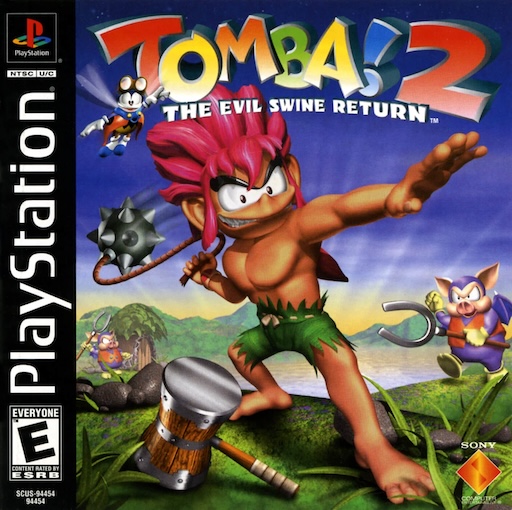
Tomba! 2: The Evil Swine Return is the wildly inventive sequel to the cult classic platform-adventure. The Evil Pigs are back, and they've kidnapped Tomba's childhood friend Tabby. Leap back into a vibrant 2.5D world, using Tomba's signature bite-and-throw combat and a wardrobe of hilarious costumes to save the day. With 137 non-linear events to complete, this is a bigger, bolder, and even more charming adventure.
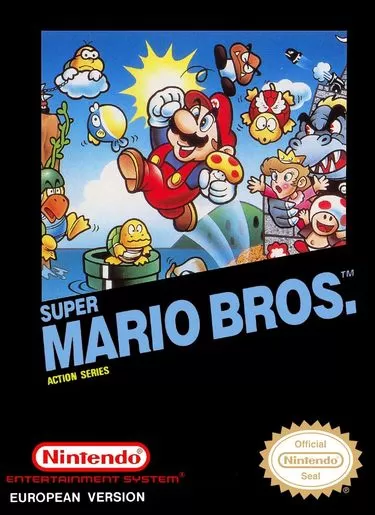
Super Mario Bros. is a platform game developed and published by Nintendo. The successor to the 1983 arcade game Mario Bros. and the first in the Super Mario series, it was released in 1985 for the Famicom in Japan. Players control Mario, or his brother Luigi in the multiplayer mode, as they travel the Mushroom Kingdom to rescue Princess Toadstool from Bowser.
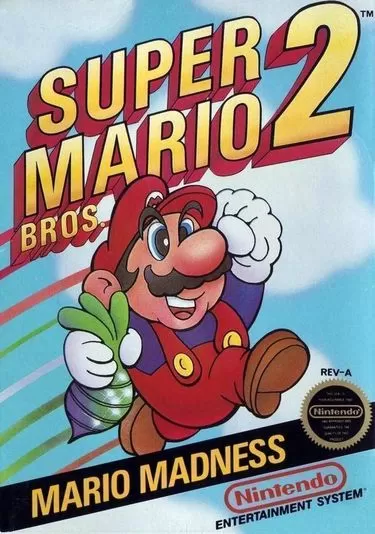
The true sequel to the original Super Mario Bros introduces new power-ups, enhanced physics, and a dynamic weather system. Mario and Luigi return with new abilities to save Princess Peach from Bowser's airship fleet across eight chaotic worlds.

The infamous 'true sequel' to Super Mario Bros. originally released only in Japan as 'Super Mario Bros. 2' for the Famicom Disk System. This brutally difficult expansion introduces poison mushrooms, backward warp zones, and deceptive wind mechanics across 32 deviously redesigned levels. Later became the 'Lost Levels' in Western compilations due to its extreme challenge.
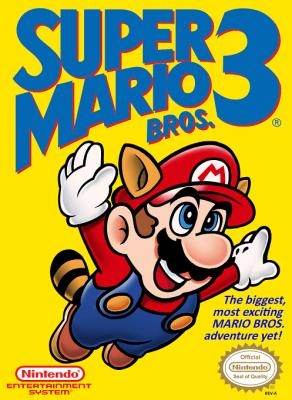
Super Mario Bros. 3 is a platform game developed and published by Nintendo for the NES. Released in 1988 in Japan and 1990 internationally, it introduced revolutionary features like the world map, diverse power-ups including the Tanooki Suit, and advanced scrolling mechanics. Often considered one of the greatest video games of all time, it set new standards for platforming gameplay and creative level design.
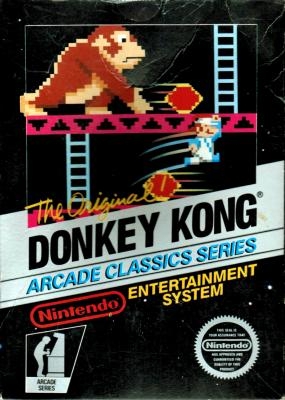
The 1983 NES port of Nintendo's seminal 1981 arcade game that introduced Mario (as Jumpman) and Donkey Kong. Players ascend construction sites to rescue Pauline from the giant ape across four iconic stages: 25m, 50m, 75m, and 100m.