Retro Street Fighter Game Series Collection
Since 1987, Capcom's Street Fighter has defined the fighting game genre, revolutionizing competitive play with six-button controls, special moves, and combos. The series has sold over 50 million copies and remains a cornerstone of esports.
Core Gameplay
- Versus fighting with unique character move sets- Special inputs: Hadoukens, Shoryukens, and 360-degree motions
- EX Moves & Super Combos: Resource-based special attacks
Key Entries
- Street Fighter II (1991): Established fighting game fundamentals- Street Fighter III: 3rd Strike (1999): Introduced parry mechanics
- Street Fighter V (2016): Refined online play with rollback netcode
- Street Fighter 6 (2023): Added Drive System and open-world hub
Cultural Impact
- Global esports presence (EVO Championship Series staple)- Iconic characters: Ryu, Chun-Li, Akuma
- Music: Memorable themes (Guile's Theme became a meme)
Why It Endures
Street Fighter balances accessibility and technical depth, offering endless mastery potential while welcoming new players.🎮All Street Fighter Retro Games

An unlicensed Street Fighter racing parody where characters battle in go-karts using their signature moves. Features 8 playable fighters including Ryu, Chun-Li, and M. Bison racing through global-themed tracks with special attacks.

A futuristic action-platformer starring Ken from Street Fighter in the year 2010. Features fast-paced combat with upgradable weapons and challenging platforming stages across alien worlds.
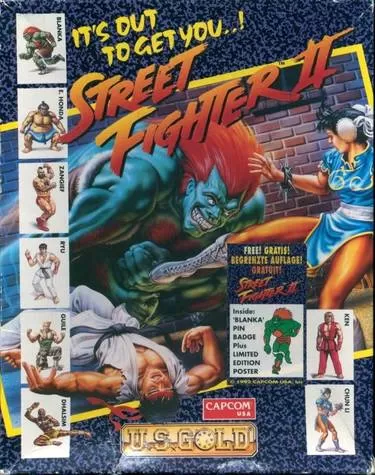
Street Fighter II: The World Warrior is a 1991 arcade fighting game developed and published by Capcom. The sequel to the original Street Fighter revolutionized the genre by introducing competitive versus play with eight unique characters, each with distinct special moves and fighting styles.
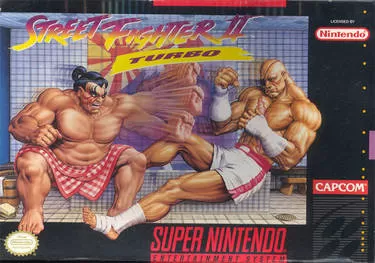
Street Fighter II' Turbo: Hyper Fighting is a 1992 arcade fighting game developed and published by Capcom. The first official update to Street Fighter II introduced faster gameplay, rebalanced characters, and new special move variations, responding to the competitive scene that had mastered the original.
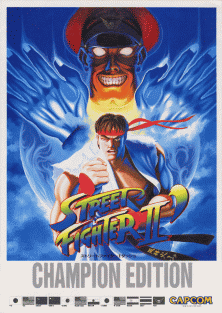
The first major update to Street Fighter II, allowing players to select all four boss characters (Balrog, Vega, Sagat, and M. Bison) and introducing mirror matches. Refined gameplay balance and new color palettes made this the definitive competitive fighting game of its era.
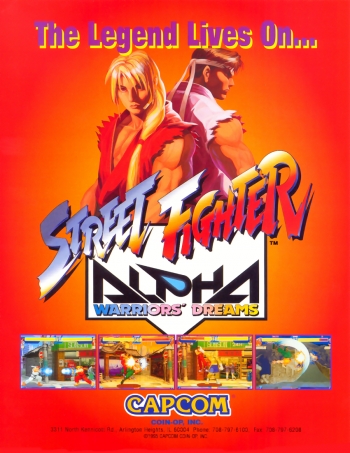
Street Fighter Alpha: Warriors' Dreams is a 1995 arcade fighting game developed and published by Capcom. Serving as both a prequel to Street Fighter II and reboot of the original Street Fighter, it introduced a new anime-inspired art style and refined fighting systems including Alpha Counters and Chain Combos.
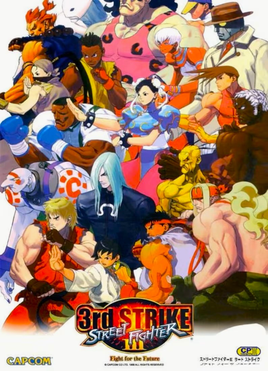
Street Fighter III: 3rd Strike is a 1999 arcade fighting game developed and published by Capcom. The final iteration of Street Fighter III is revered as one of the greatest fighting games ever made, introducing the revolutionary Parry system and featuring hand-drawn animation that remains unmatched in fluidity.
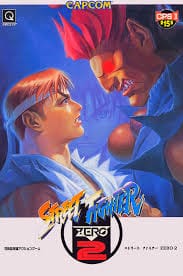
Street Fighter Zero 2 Alpha is a 1996 enhanced update to Street Fighter Alpha 2, released exclusively in Japanese arcades. This version introduces new gameplay mechanics including the powerful 'Alpha Counter' defensive move, expanded character move sets, and rebalanced gameplay that became foundational for future Street Fighter titles.
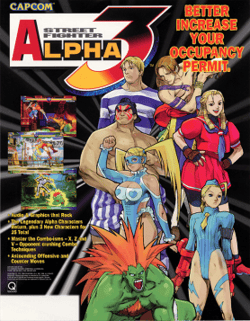
The culmination of the Alpha series featuring the largest roster in the franchise at the time with 34 fighters. Introduces the innovative 'ISM' system allowing players to choose between different fighting styles (A-ISM, X-ISM, V-ISM) that dramatically alter gameplay mechanics.
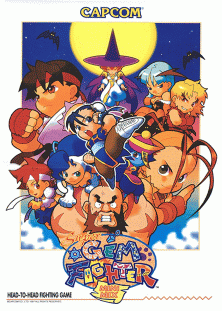
A whimsical Street Fighter spin-off featuring chibi-style characters and gem-collecting mechanics. Known as 'Pocket Fighter' in Japan, this CPS-2 game combines cute visuals with deep fighting gameplay.
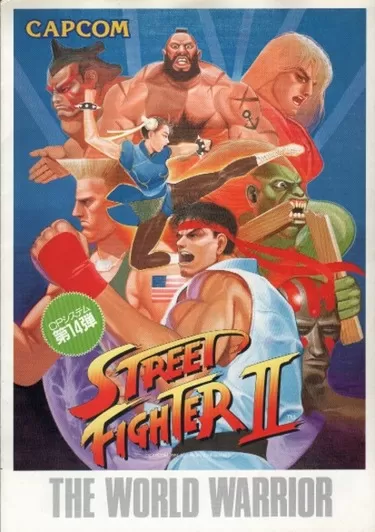
The fighting game that defined a generation introduces 8 playable warriors with unique move sets, six-button controls, and competitive versus mode that revolutionized arcades worldwide.
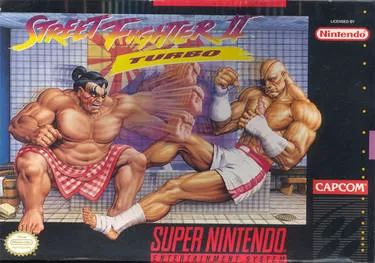
The turbo-charged update to the fighting game phenomenon introduces faster gameplay, four new playable bosses (Balrog, Vega, Sagat, M. Bison), and adjustable speed settings that became the competitive standard.