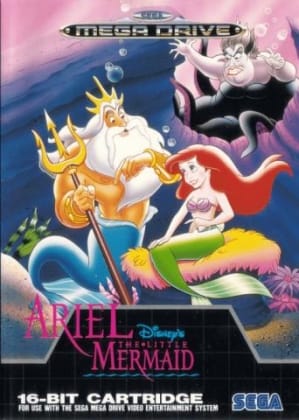
The Little Mermaid
The Little Mermaid is a platform game developed by Capcom and published by Sega for the Genesis in 1991. Based on Disney's 1989 animated film, players control Ariel as she explores underwater environments, avoids enemies, and collects treasures.
Game Controls
About This Retro Game
The game features colorful underwater levels with various sea creatures as both friends and foes. Ariel can attack enemies by flipping her tail to create shockwaves or by throwing collected shells.
Unlike typical platformers, swimming mechanics allow for full 360-degree movement. The game stays faithful to the movie's storyline while adding original gameplay elements.
The Little Mermaid was part of Capcom's successful line of Disney-licensed games during the late 80s and early 90s, known for their accessible gameplay and faithful adaptations.
Recommended Based on Your History
Related Retro Games
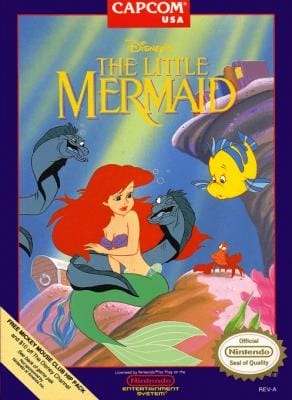
The Little Mermaid is a platform game developed and published by Capcom for the NES in 1991. Based on Disney's animated film, players control Ariel as she swims through underwater stages, uses her tail to attack enemies, and searches for hidden treasures.
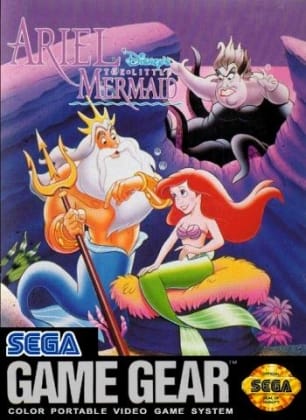
The Little Mermaid is a 1993 Action-Platformer developed and published by Sega for the Game Gear. Based on Disney's 1989 animated film, players control Ariel through underwater levels, using her tail to attack enemies and collecting treasures while avoiding sea creatures.
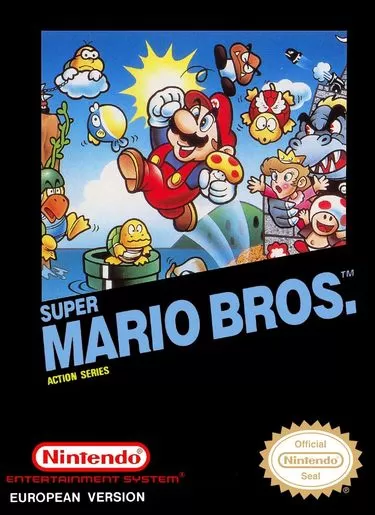
Super Mario Bros. is a platform game developed and published by Nintendo. The successor to the 1983 arcade game Mario Bros. and the first in the Super Mario series, it was released in 1985 for the Famicom in Japan. Players control Mario, or his brother Luigi in the multiplayer mode, as they travel the Mushroom Kingdom to rescue Princess Toadstool from Bowser.
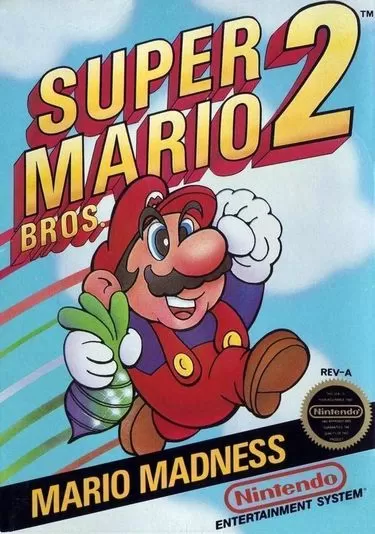
The true sequel to the original Super Mario Bros introduces new power-ups, enhanced physics, and a dynamic weather system. Mario and Luigi return with new abilities to save Princess Peach from Bowser's airship fleet across eight chaotic worlds.

The infamous 'true sequel' to Super Mario Bros. originally released only in Japan as 'Super Mario Bros. 2' for the Famicom Disk System. This brutally difficult expansion introduces poison mushrooms, backward warp zones, and deceptive wind mechanics across 32 deviously redesigned levels. Later became the 'Lost Levels' in Western compilations due to its extreme challenge.
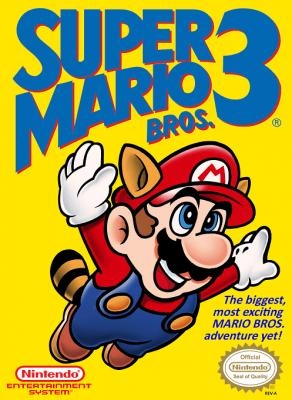
Super Mario Bros. 3 is a platform game developed and published by Nintendo for the NES. Released in 1988 in Japan and 1990 internationally, it introduced revolutionary features like the world map, diverse power-ups including the Tanooki Suit, and advanced scrolling mechanics. Often considered one of the greatest video games of all time, it set new standards for platforming gameplay and creative level design.