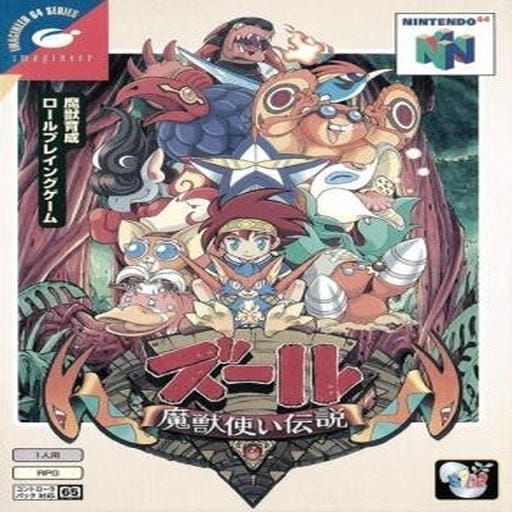
Zool: Majuu Tsukai Densetsu
Zool: Majuu Tsukai Densetsu is a vibrant 3D action-platformer exclusive to the Nintendo 64, marking the return of the iconic ninja gremlin Zool. Summon and harness the power of magical beasts known as 'Majuu' as you battle through colorful, sprawling worlds. With fast-paced acrobatics, unlockable abilities, and challenging bosses, Zool's N64 debut is a hidden gem full of charm and depth.
Game Controls
About This Retro Game
Originally an Amiga platforming icon, Zool made his Nintendo 64 debut in this Japan-exclusive 3D adventure, developed and published by Imagineer in 1999. The game expands on the series' trademark speed and agility, adding a brand-new 'Majuu' summoning system that lets players call upon powerful elemental creatures to aid in combat and exploration.
Players navigate vibrant, themed stages—from floating sky gardens to fiery volcanic caves—collecting gems, unlocking secret areas, and confronting massive end-of-level bosses. Zool can run, jump, climb walls, and perform acrobatic attacks, with the Majuu summons adding a strategic layer to both puzzles and battles.
Long overshadowed by other N64 platformers, Zool: Majuu Tsukai Densetsu has garnered a cult following for its imaginative creature designs, catchy soundtrack, and tight controls. A fan translation effort has opened this colorful quest to English-speaking audiences, cementing its status as an underrated treasure of the console's library.
Recommended Based on Your History
Related Retro Games

Zool is a fast-paced platformer featuring an intergalactic ninja warrior battling through surreal candy-themed worlds. Originally developed as an Amiga title, this SNES version features enhanced graphics and gameplay.
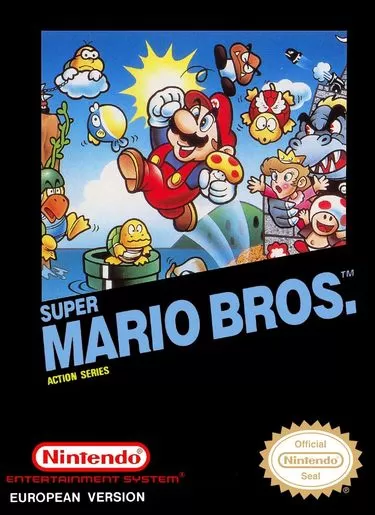
Super Mario Bros. is a platform game developed and published by Nintendo. The successor to the 1983 arcade game Mario Bros. and the first in the Super Mario series, it was released in 1985 for the Famicom in Japan. Players control Mario, or his brother Luigi in the multiplayer mode, as they travel the Mushroom Kingdom to rescue Princess Toadstool from Bowser.
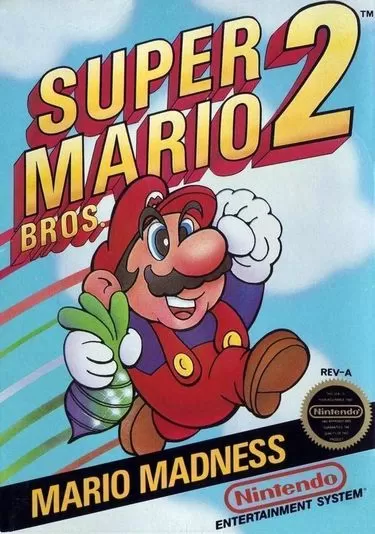
The true sequel to the original Super Mario Bros introduces new power-ups, enhanced physics, and a dynamic weather system. Mario and Luigi return with new abilities to save Princess Peach from Bowser's airship fleet across eight chaotic worlds.

The infamous 'true sequel' to Super Mario Bros. originally released only in Japan as 'Super Mario Bros. 2' for the Famicom Disk System. This brutally difficult expansion introduces poison mushrooms, backward warp zones, and deceptive wind mechanics across 32 deviously redesigned levels. Later became the 'Lost Levels' in Western compilations due to its extreme challenge.
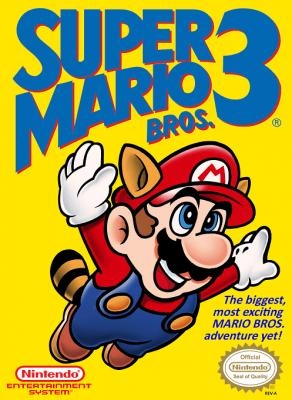
Super Mario Bros. 3 is a platform game developed and published by Nintendo for the NES. Released in 1988 in Japan and 1990 internationally, it introduced revolutionary features like the world map, diverse power-ups including the Tanooki Suit, and advanced scrolling mechanics. Often considered one of the greatest video games of all time, it set new standards for platforming gameplay and creative level design.
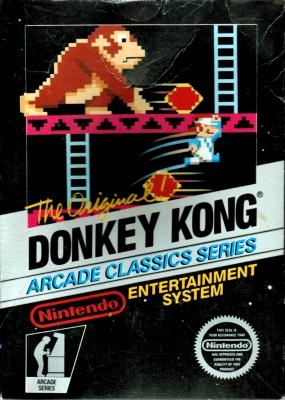
The 1983 NES port of Nintendo's seminal 1981 arcade game that introduced Mario (as Jumpman) and Donkey Kong. Players ascend construction sites to rescue Pauline from the giant ape across four iconic stages: 25m, 50m, 75m, and 100m.