
Live A Live
Live A Live is an anthology-style role-playing game that spans seven distinct eras, each with its own protagonist, setting, and gameplay mechanics. From prehistory to the distant future, the Wild West to feudal Japan, players experience seven unique stories before they converge in an unforgettable eighth chapter that ties all timelines together.
Game Controls
About This Retro Game
Released exclusively in Japan for the Super Famicom in 1994, Live A Live marked the directorial debut of Takashi Tokita, who would go on to co-write Chrono Trigger. The game features character designs by seven legendary manga artists including Gosho Aoyama (Case Closed), Yumi Tamura (Basara), and Yoshinori Kobayashi (Mobile Fighter G Gundam).
Each of the seven chapters offers a radically different experience: Pogo the caveman communicates without words in Prehistory; the Earthen Heart Shifu trains disciples in Imperial China; Oboromaru the shinobi employs stealth mechanics in Twilight Edo; Sundown defends a town in the Wild West; Masaru battles in a worldwide martial arts tournament in Present Day; Akira uses psychic powers in Near Future; and Cube the servbot navigates a spaceship horror scenario in Distant Future.
Upon completing all seven chapters, the Middle Ages chapter unlocks, bringing together the eight heroes—each named after a virtue—in a final confrontation that recontextualizes everything. The game's non-linear structure, genre-bending scenarios, and Yoko Shimomura's iconic soundtrack made it a cult classic that remained Japan-exclusive for nearly three decades.
Recommended Based on Your History
Related Retro Games
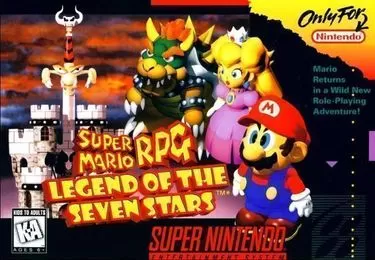
Super Mario RPG: Legend of the Seven Stars is a 1996 role-playing game developed by Square and published by Nintendo for the Super Nintendo Entertainment System. This groundbreaking collaboration blends Mario's platforming world with Square's RPG expertise, featuring an original story where Mario teams with Bowser and new allies to recover seven stars from the villain Smithy.
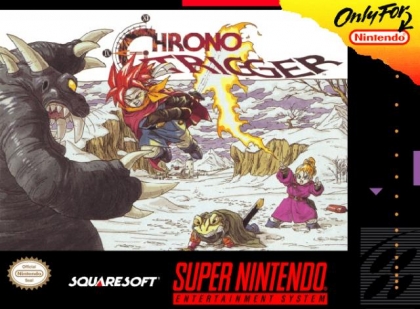
Groundbreaking JRPG featuring time travel across seven distinct eras, developed by the 'Dream Team' of Hironobu Sakaguchi (Final Fantasy), Yuji Horii (Dragon Quest), and Akira Toriyama (Dragon Ball). Known for its multiple endings, active battle system, and absence of random encounters.
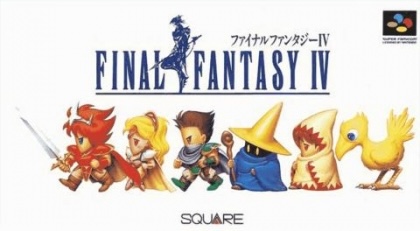
Final Fantasy IV is a role-playing game developed and published by Square for the Super Nintendo Entertainment System. Released in 1991, it introduced the Active Time Battle system and follows the story of Cecil, a dark knight who journeys to redeem himself. The game features five playable characters with unique abilities.
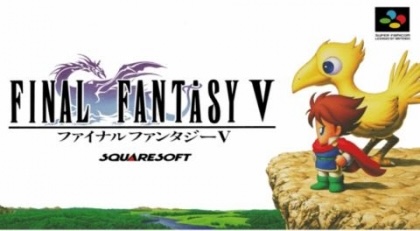
Final Fantasy V is a 1992 role-playing game developed and published by Square for the Super Nintendo Entertainment System. The fifth main installment in the Final Fantasy series, it introduced the iconic Job System that allowed deep character customization through 22 unique job classes. The story follows four warriors chosen by the Crystals to prevent the destruction of their world.
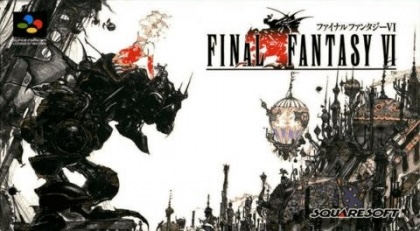
Final Fantasy VI is a role-playing game developed and published by Square for the Super Nintendo Entertainment System. Released in 1994, it is the sixth main installment in the Final Fantasy series. The game features fourteen permanent playable characters, the most of any game in the series, and combines fantasy with steampunk elements in its setting.

Classic turn-based JRPG following warrior Maxim and the mysterious girl Lufia as they battle the sinister Sinistrals. Features puzzle-filled dungeons and a unique monster-catching system using IP attacks.