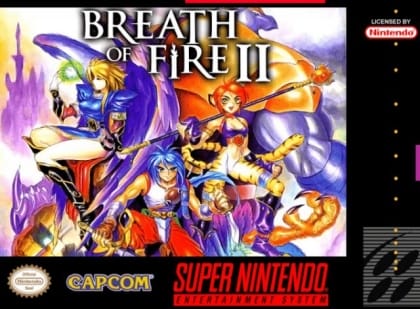
Breath of Fire II
Ryu and his companions battle the evil Deathevan across two parallel worlds in this RPG sequel featuring town-building mechanics and an expanded dragon transformation system.
Game Controls
About This Retro Game
Introduces the Township system where players rebuild a ruined village that becomes their home base
Expands the dragon transformation system with 18 possible forms including new Fusion Dragons
Features one of gaming's first morality systems where choices affect NPC relationships
Recommended Based on Your History
Related Retro Games
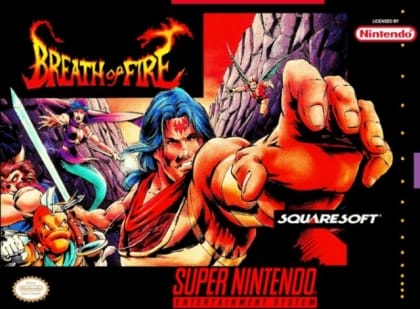
Breath of Fire is a 1993 role-playing game developed and published by Capcom for the Super Nintendo. Players control Ryu, a young warrior with the ability to transform into dragons, as he embarks on an epic quest to save his sister and defeat the Dark Dragons.
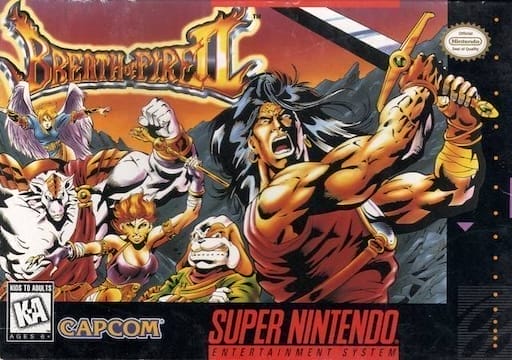
Breath of Fire 2 Definitive Edition is a complete ROM hack of the classic Capcom RPG, featuring a full retranslation, restored cut content, rebalanced gameplay, and numerous quality-of-life improvements. Players follow Ryu and his friends as they uncover a dark conspiracy involving the sinister Church of St. Eva and the true nature of the Winged Clan.
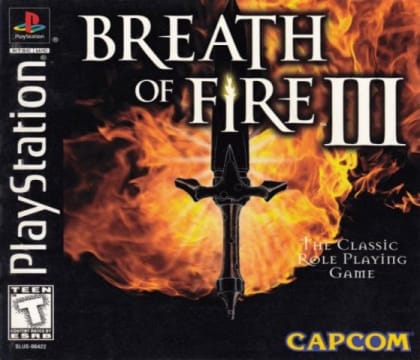
The third installment in Capcom's RPG series featuring dragon protagonist Ryu, blending traditional turn-based combat with innovative mechanics like dragon gene splicing and master-apprentice skill systems.
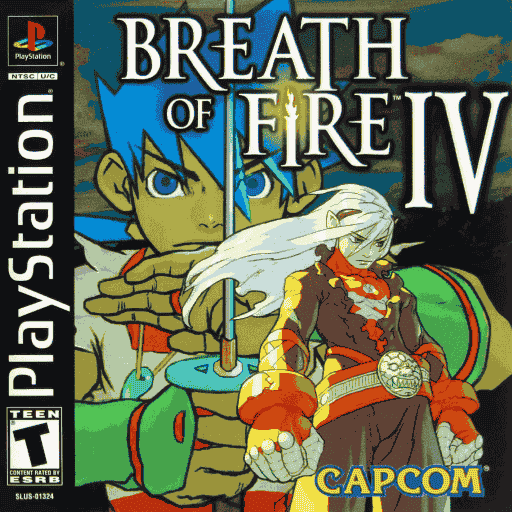
Breath of Fire IV is a critically acclaimed RPG that follows two protagonists - Ryu and Fou-Lu - whose destinies are intertwined across parallel narratives. The game combines traditional JRPG elements with innovative dragon transformation systems and a unique combo-based battle mechanic.
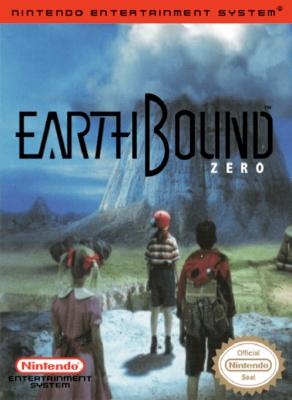
EarthBound, known as Mother in Japan, is a role-playing video game developed by Ape Inc. and HAL Laboratory, and published by Nintendo. The game follows Ness, a young boy with psychic abilities, and his friends as they journey across the world to collect melodies and defeat the cosmic horror Giygas.
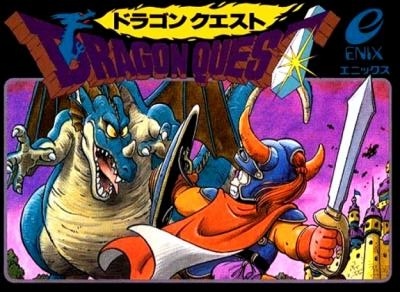
The game that defined Japanese RPGs, Dragon Quest (known as Dragon Warrior in North America initially) introduced core mechanics that became genre staples: turn-based combat, experience points, and equipment progression.