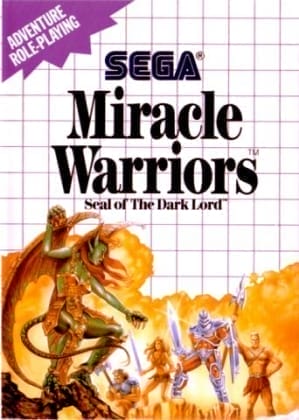
Miracle Warriors: Seal of the Dark Lord
Miracle Warriors: Seal of the Dark Lord is a fantasy role-playing game originally developed by Kogado Studio and published by Sega for the Master System. The Dark Lord Terarin has broken the ancient seal, stolen the Golden Seal, and opened the Pandora Passage, unleashing evil creatures upon the Five Lands. A young hero is tasked by a king to follow in the footsteps of the legendary Iason, gather three destined companions, and defeat Terarin to restore peace to the world.
Game Controls
About This Retro Game
Miracle Warriors: Seal of the Dark Lord (known in Japan as Haja no Fūin) stands as one of the earliest Japanese RPGs to reach Western shores, predating even the arrival of Dragon Quest in North America. Originally released on Japanese PCs before being ported to the Sega Master System with significant enhancements, the game presents a unique first-person perspective with a split-screen interface. The upper left shows your party's viewpoint against the horizon, the upper right displays a grid-based map for navigation, while the lower sections track character stats and party resources—a distinctive presentation that set it apart from contemporaries like Dragon Quest.
The narrative follows a young hero chosen by a king to investigate the resurgence of monsters across the Five Lands. Terarin, a demon queen sealed away long ago by the shepherd Iason, has broken free and stolen the Golden Seal that kept the Pandora Passage closed. Guided by cryptic hints from townsfolk and an included grid-map, players must recruit three companions: Guy the warrior, Medi the amazon, and Treo the pirate. Each requires specific items or conditions to join, and together they must explore three continents separated by oceans, navigate treacherous terrain where enemy difficulty varies by landscape, and descend into caves guarded by fearsome protectors to obtain legendary armor and weapons.
The game's combat system features turn-based encounters against single foes, with the innovative twist that only one party member can attack per turn, though players can switch between characters mid-battle to manage damage. Defeated enemies yield both Guilders (currency) and Fangs (proof of valor), which can be traded for exclusive equipment. A morality system tracks Character Points (fame), affecting which villages will welcome the party. Equipment degrades with use and must be repaired, adding a layer of resource management. With its massive world, required exploration, and the inclusion of a battery-backed save feature allowing five simultaneous save files, Miracle Warriors offered an ambitious RPG experience that, while archaic by modern standards, remains a fascinating piece of RPG history—complete with charmingly antiquated translation and a memorable soundtrack by Sega's in-house composers.
Recommended Based on Your History
Related Retro Games

The groundbreaking JRPG that defined Sega's RPG legacy. Follow Alis on her quest to avenge her brother and overthrow the tyrannical Lassic in the Algol star system. Features first-person dungeons, animated battles, and a sci-fi/fantasy hybrid setting.
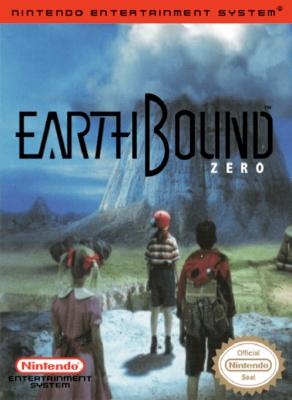
EarthBound, known as Mother in Japan, is a role-playing video game developed by Ape Inc. and HAL Laboratory, and published by Nintendo. The game follows Ness, a young boy with psychic abilities, and his friends as they journey across the world to collect melodies and defeat the cosmic horror Giygas.
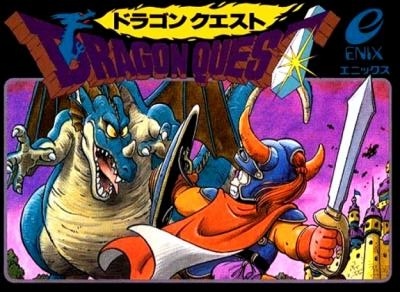
The game that defined Japanese RPGs, Dragon Quest (known as Dragon Warrior in North America initially) introduced core mechanics that became genre staples: turn-based combat, experience points, and equipment progression.
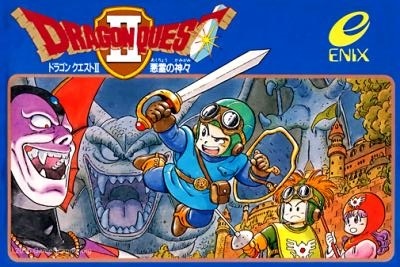
The first JRPG sequel expands the adventure with three playable descendants of Erdrick. Journey across continents to defeat the malevolent Hargon in this groundbreaking title that introduced party mechanics and ship travel to the genre.
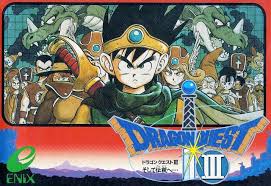
The epic conclusion to the Erdrick Trilogy, Dragon Quest III follows a young hero destined to defeat the archfiend Baramos. Featuring a revolutionary class system and expansive world, it set new standards for JRPGs and remains one of the most influential games in the genre.
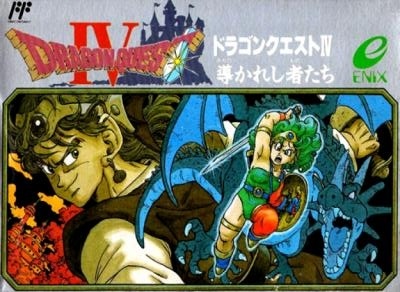
Dragon Quest IV is a landmark JRPG that introduced a revolutionary chapter-based narrative structure. The game follows multiple protagonists whose stories eventually converge in an epic quest to save the world from the evil Necrosaro.