
Lagrange Point
Lagrange Point is a groundbreaking sci-fi RPG for the NES, notable for being one of only two games to utilize Konami's VRC7 sound chip, which provided enhanced FM synthesis audio. Set in the 23rd century aboard a colossal space colony, the game follows cadet Liam as he investigates mysterious phenomena and uncovers a conspiracy that threatens humanity's survival in space.
Game Controls
About This Retro Game
Lagrange Point represents a technical marvel for the NES, featuring advanced graphics and the revolutionary VRC7 sound chip that delivered superior FM synthesis music, creating an immersive sci-fi atmosphere unmatched by other 8-bit RPGs. The audio quality approaches 16-bit levels of sophistication.
The game features a complex character progression system with multiple character classes, skill development, and equipment customization. Players can recruit various party members with unique abilities and backgrounds, each contributing differently to exploration and combat.
Set entirely within the massive space colony 'The ISC', the game offers non-linear exploration through diverse environments including residential sectors, research facilities, industrial zones, and mysterious alien structures. The storyline explores mature themes of artificial intelligence, genetic engineering, and human adaptation to space living.
Despite its technical achievements and compelling narrative, Lagrange Point was only released in Japan, making it one of the most sought-after NES titles among collectors. The game is often cited as Konami's most ambitious RPG project on the NES and a precursor to later sci-fi RPG classics.
Recommended Based on Your History
Related Retro Games
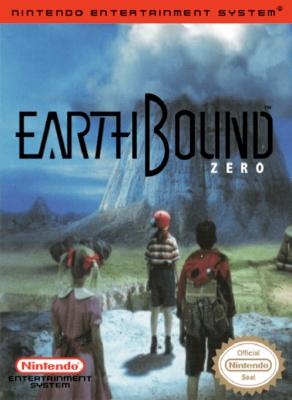
EarthBound, known as Mother in Japan, is a role-playing video game developed by Ape Inc. and HAL Laboratory, and published by Nintendo. The game follows Ness, a young boy with psychic abilities, and his friends as they journey across the world to collect melodies and defeat the cosmic horror Giygas.
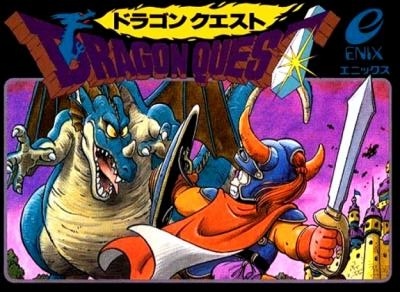
The game that defined Japanese RPGs, Dragon Quest (known as Dragon Warrior in North America initially) introduced core mechanics that became genre staples: turn-based combat, experience points, and equipment progression.
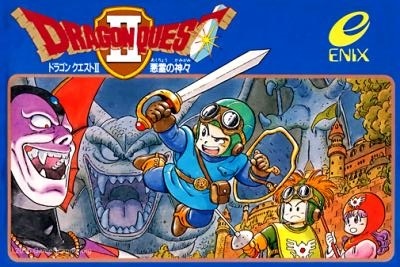
The first JRPG sequel expands the adventure with three playable descendants of Erdrick. Journey across continents to defeat the malevolent Hargon in this groundbreaking title that introduced party mechanics and ship travel to the genre.
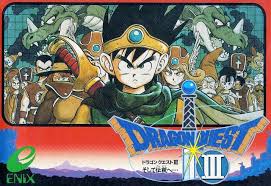
The epic conclusion to the Erdrick Trilogy, Dragon Quest III follows a young hero destined to defeat the archfiend Baramos. Featuring a revolutionary class system and expansive world, it set new standards for JRPGs and remains one of the most influential games in the genre.
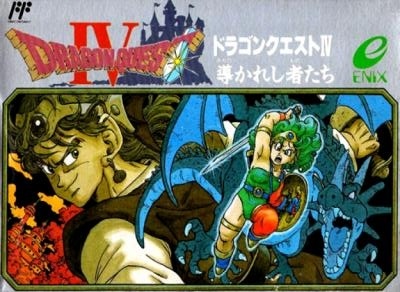
Dragon Quest IV is a landmark JRPG that introduced a revolutionary chapter-based narrative structure. The game follows multiple protagonists whose stories eventually converge in an epic quest to save the world from the evil Necrosaro.
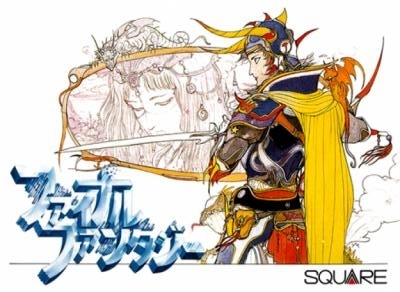
The game that saved Square from bankruptcy and launched one of gaming's most iconic franchises. This NES classic established core RPG mechanics like the job system, turn-based battles, and an epic fantasy narrative.